Natueco farming is a sustainable agricultural approach that aims to recreate the richness of forest soil within farmland. In forests, soil is naturally fertile, rich in carbon, and full of microorganisms that support plant life. Natueco farming follows the same natural principles by enriching soil with organic biomass and eco-friendly materials from the surrounding environment.
Healthy soil under this system contains millions of beneficial microbes that break down organic matter and make nutrients available to plants. As the carbon content in the soil increases, the soil gains the ability to absorb and retain moisture from the environment, reducing the need for irrigation.This method reduces the carbon footprint by allowing the plants to absorb carbon from the atmosphere, turning it into a source of nourishment that supports plant growth.
The method also emphasizes the importance of soil life and root development. Strong feeder roots grow in fertile, well-decomposed soil and help plants absorb essential nutrients. When the soil ecosystem is balanced, plants naturally become more resistant to pests, diseases, and climatic stress. In this approach, if a plant becomes weak, the solution lies in healing the soil rather than treating the plant alone.
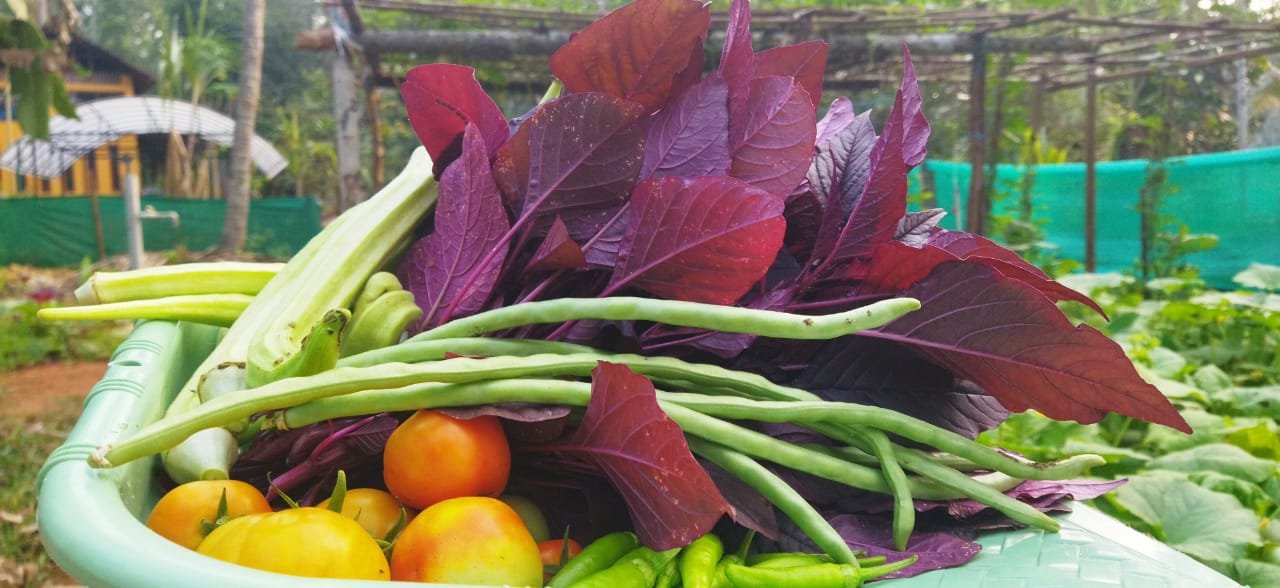
This farming method is both economical and environmentally responsible. It requires minimal external inputs, lowers farming costs, and produces nutritious food while helping to store carbon in the soil and restore ecological balance.Given these advantages, farmers, communities, and policymakers should actively support and adopt Natueco farming as a meaningful step toward achieving sustainable agriculture and ensuring long-term food security.
Natueco farming reminds us that the true wealth of agriculture lies in living soil. When we nurture the soil, the soil nurtures us in return. By embracing ways of farming that move in harmony with nature, we nourish not only the soil but also ourselves,growing healthier food, caring for the earth, and quietly planting the promise of a more sustainable tomorrow for generations yet to come.